
Working Capital Optimization through Structured Debt Recovery
- 24th April, 2026
- PayAssured Team
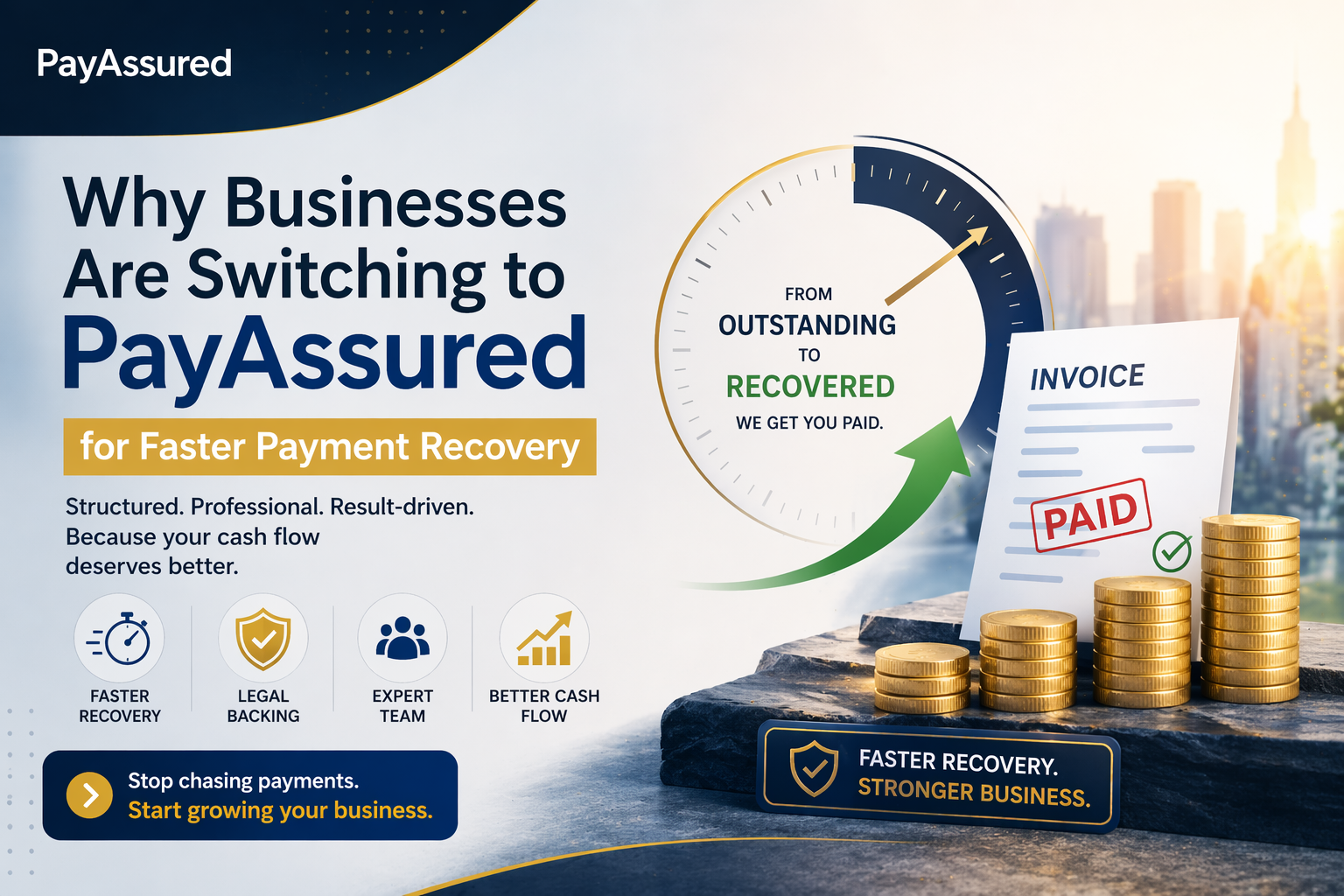
For most businesses, working capital is where the real story unfolds.
On paper, revenue may look strong. Sales might be growing. The pipeline may be healthy. But if cash isn’t coming in on time, none of it translates into real operational strength. That gap between earned revenue and actual cash flow is where businesses start to feel pressure.
And more often than not, the reason sits quietly in the background outstanding receivables. Invoices that were expected to be paid in 30 days stretch to 60, then 90. Some move even further. Over time, a significant portion of working capital gets locked outside the business, slowing down everything from day-to-day operations to long-term planning.
This is where structured debt recovery becomes more than just a support function. It becomes a tool for working capital optimization.
The shift begins with how recovery is approached.
In many businesses, collections are handled informally. A few reminders, occasional calls, and follow-ups when time permits. It feels like something is being done, but there is no real system driving outcomes. As a result, delays continue, and receivables keep piling up.
A structured recovery approach changes that completely.
Instead of reacting to delays, it creates a defined process around them. Every outstanding invoice is tracked. Every delay is addressed within a timeline. Every case moves through clear stages from initial communication to escalation when required.
This consistency is what starts unlocking working capital.
When follow-ups become regular and professional, the behavior on the other side changes. Payments that were earlier being postponed begin to move. Not always instantly, but steadily. And that steady movement is what improves liquidity.
There’s also an important psychological shift.
When recovery is handled casually, it signals flexibility. It tells the debtor that delays are acceptable. But when the process becomes structured, it introduces accountability. It makes it clear that payments are expected not optional.
This alone can significantly reduce payment cycles.
Another key aspect is timing.
Structured recovery ensures that action is taken early. Delays are identified quickly, and intervention happens before the situation worsens. This prevents receivables from aging into difficult or high-risk cases, which are much harder to recover.
Over time, this proactive approach protects working capital from getting stuck.
There’s also the benefit of predictability.
When recovery follows a system, businesses gain better visibility into their receivables. They know which cases are moving, which need attention, and what to expect in terms of inflows.
This makes financial planning more accurate and less dependent on assumptions.
And with better visibility comes better control.
For growing businesses, this becomes even more critical. As sales increase, so do receivables. Without a structured recovery process, the problem scales with growth. What starts as a small delay issue can quickly turn into a significant cash flow bottleneck.
Structured recovery ensures that growth does not come at the cost of liquidity.
In many cases, businesses choose to build this structure internally. In others, they rely on specialized partners who bring in expertise, consistency, and legal backing when required. The approach may differ, but the objective remains the same keep cash moving.
Because working capital is not just about how much you earn.
It’s about how much you actually receive and how quickly.
Structured debt recovery bridges that gap.
It turns scattered follow-ups into a system.
It turns delayed payments into steady inflows.
And most importantly, it turns outstanding receivables into usable capital.
Because in business, growth is not powered by invoices.
It’s powered by cash in the bank.